In Afghanistan, with the European Union, we support people in the most remote areas
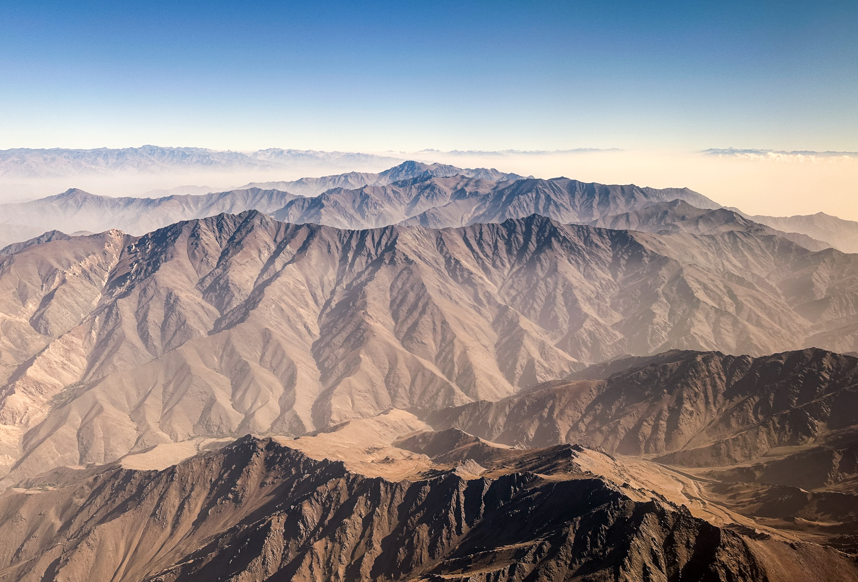
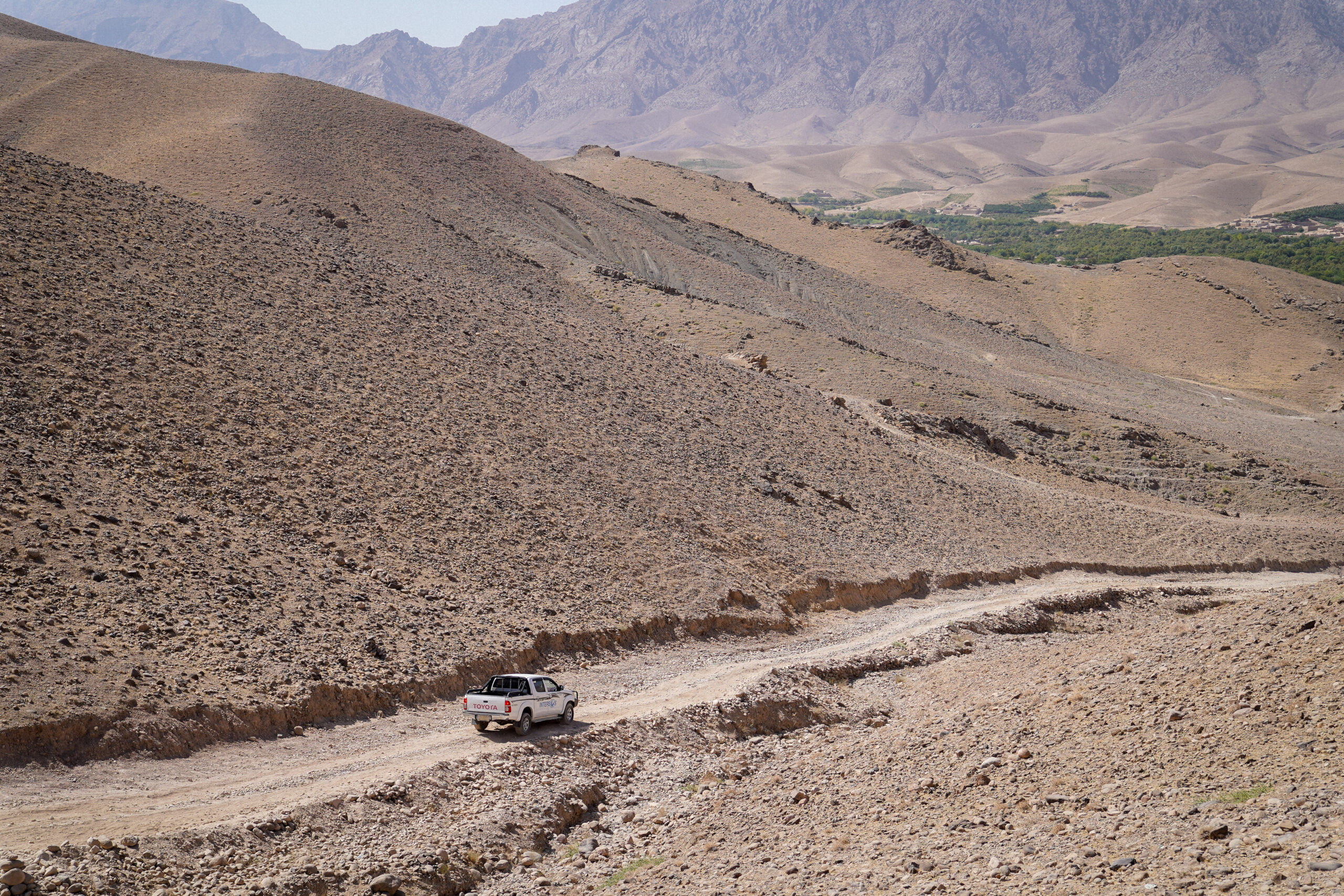
70% of the population in Afghanistan lives in remote areas, in villages, often located in the mountains, that are many tens of kilometers away from urban centers and that often, especially during winter, remain isolated for long periods of time due to snow and rain as they can only be reached by dirt roads.
INTERSOS, in Afghanistan, works in areas where there are no basic services, no road connections, no hospitals, no clean water, no electricity and no sanitation in homes. Areas where most people have never gone to school, where there are no jobs and a high number of families can barely eat once a day.
This is where we focus most of our activities, to provide primary health care and psychosocial care to thousands of people who otherwise would have none.
The European Union funds 11 of the clinics we run in Afghanistan, particularly in remote areas of the south of the country, such as Kandahar and Uruzgan provinces.
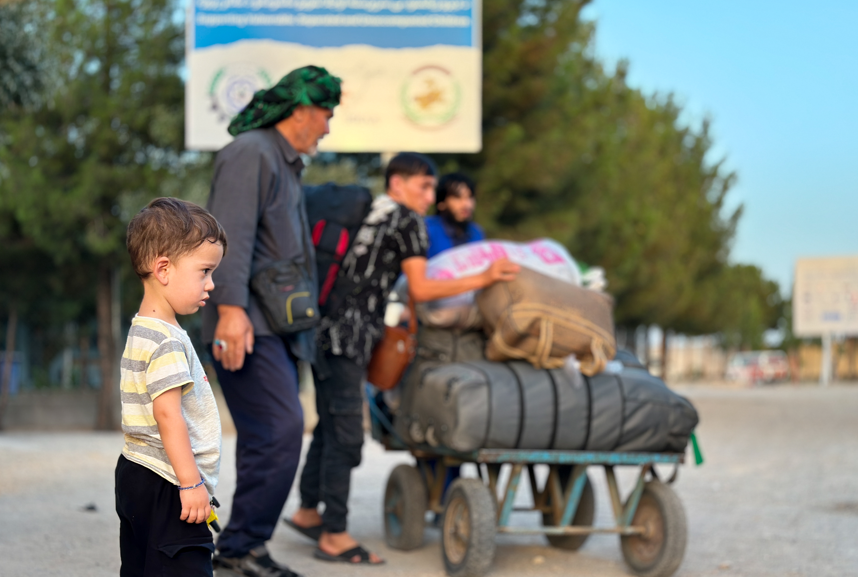
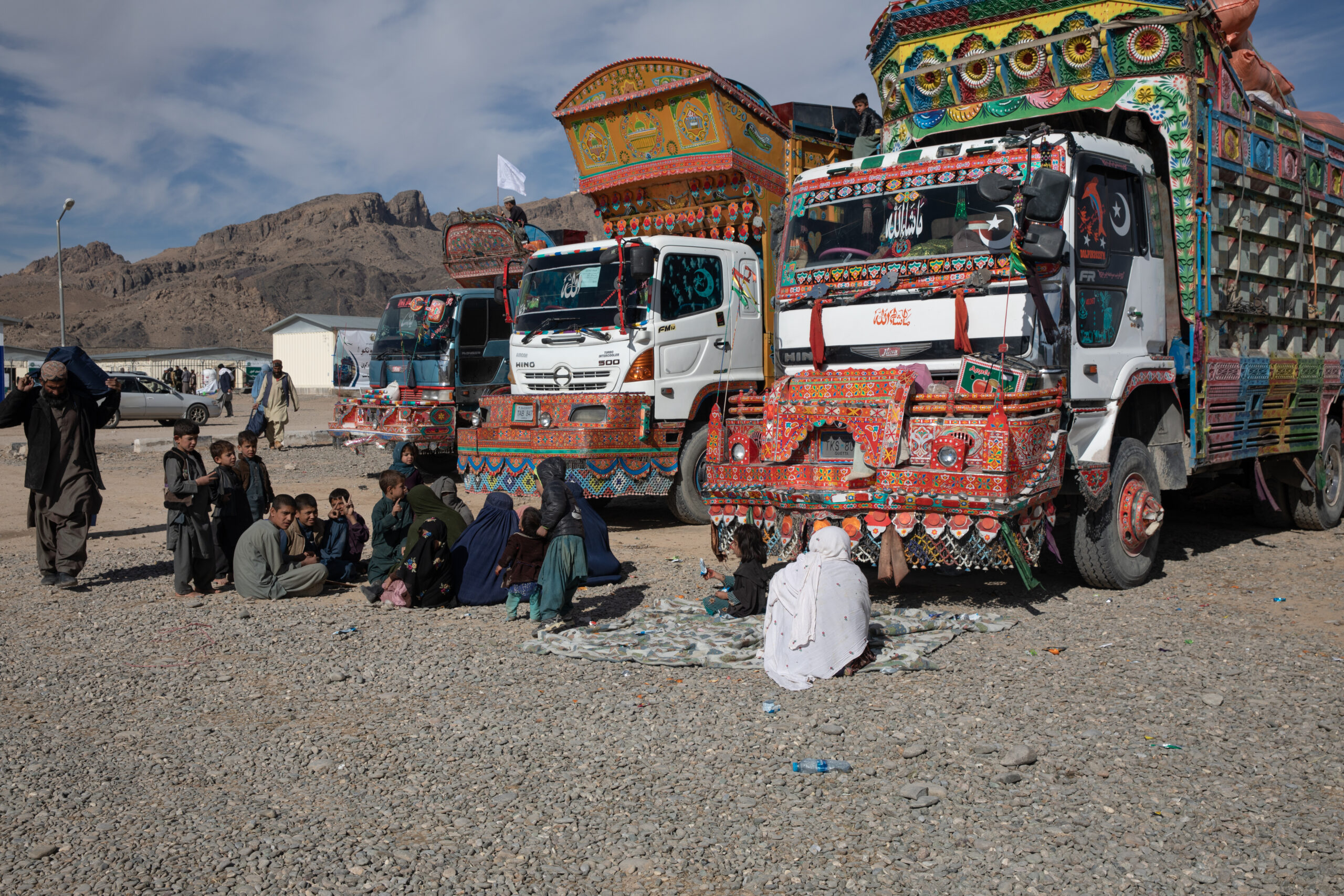
With the support of the European Union in Afghanistan, we have been intervening since early this year to provide assistance to the hundreds of thousands of refugees forced to return from Iran and Pakistan.
Health: primary care, immunisation and maternal health
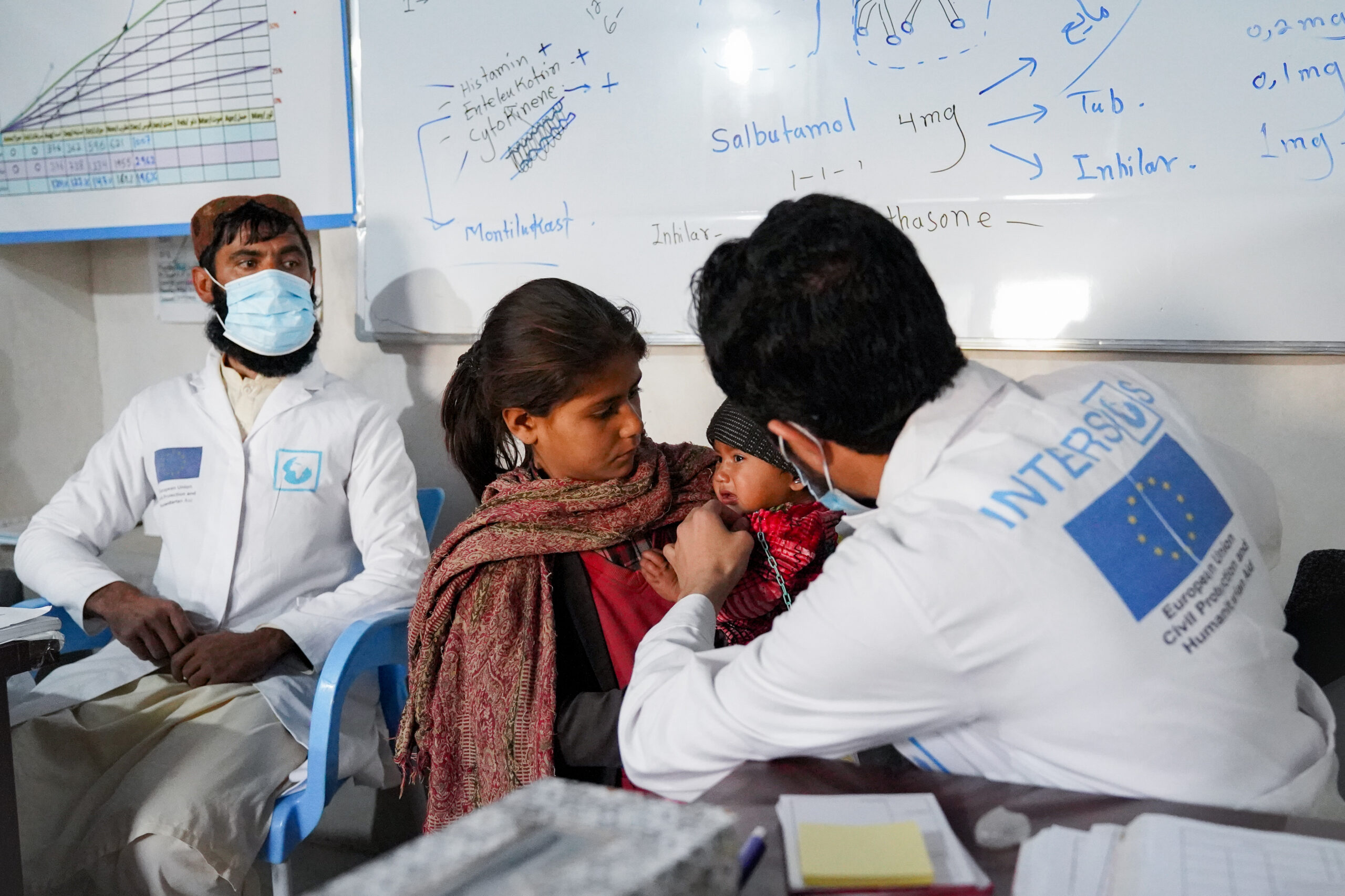
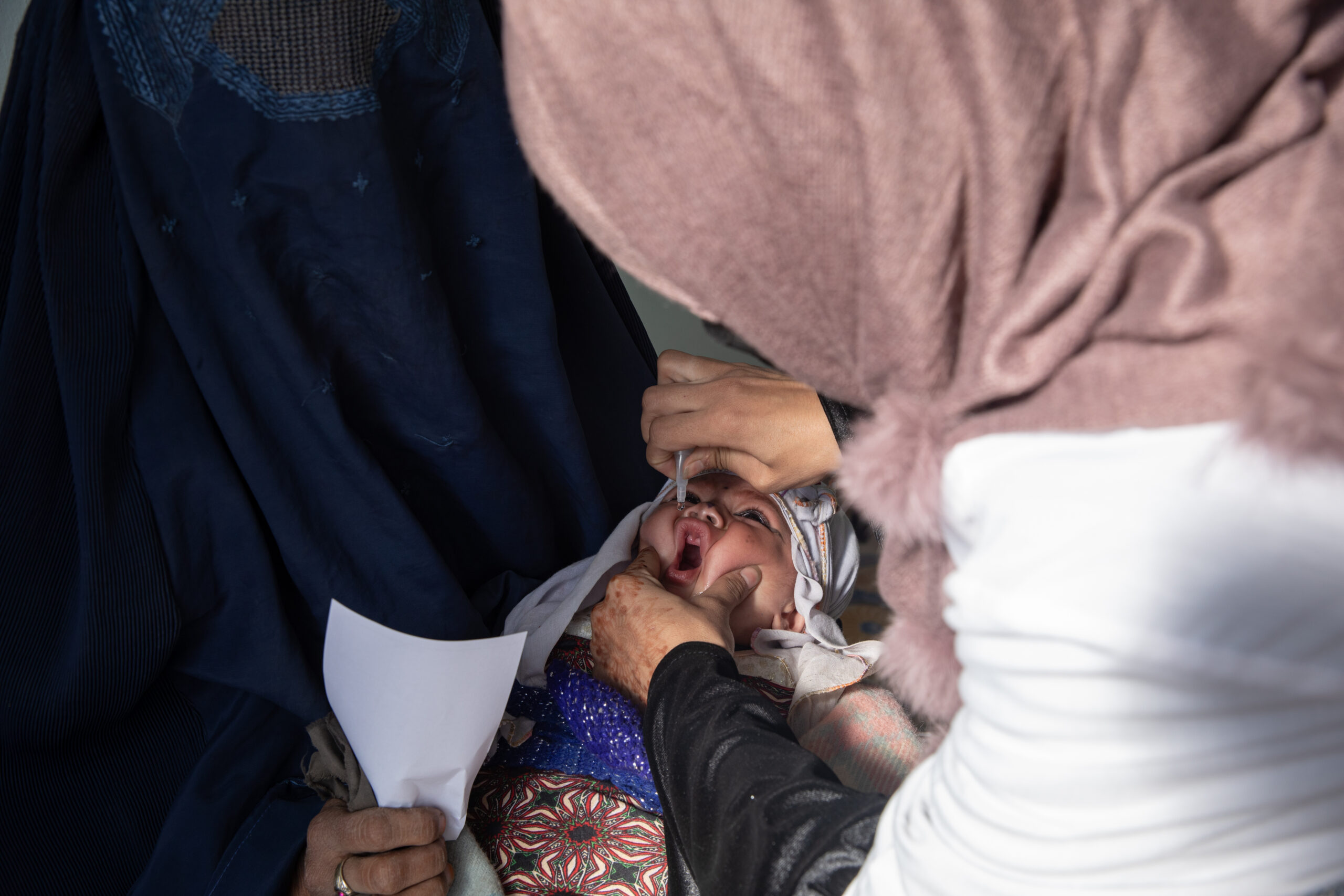
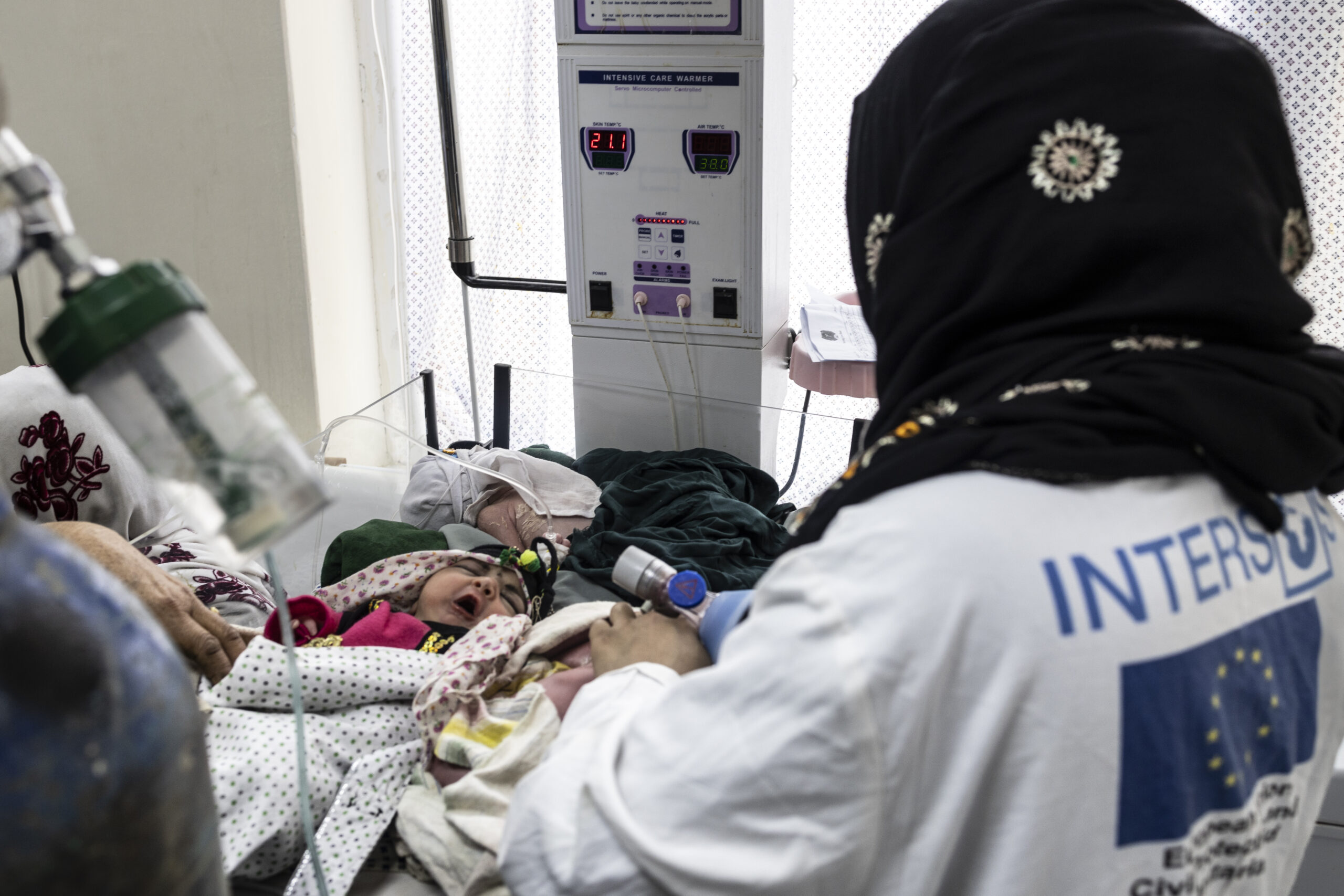
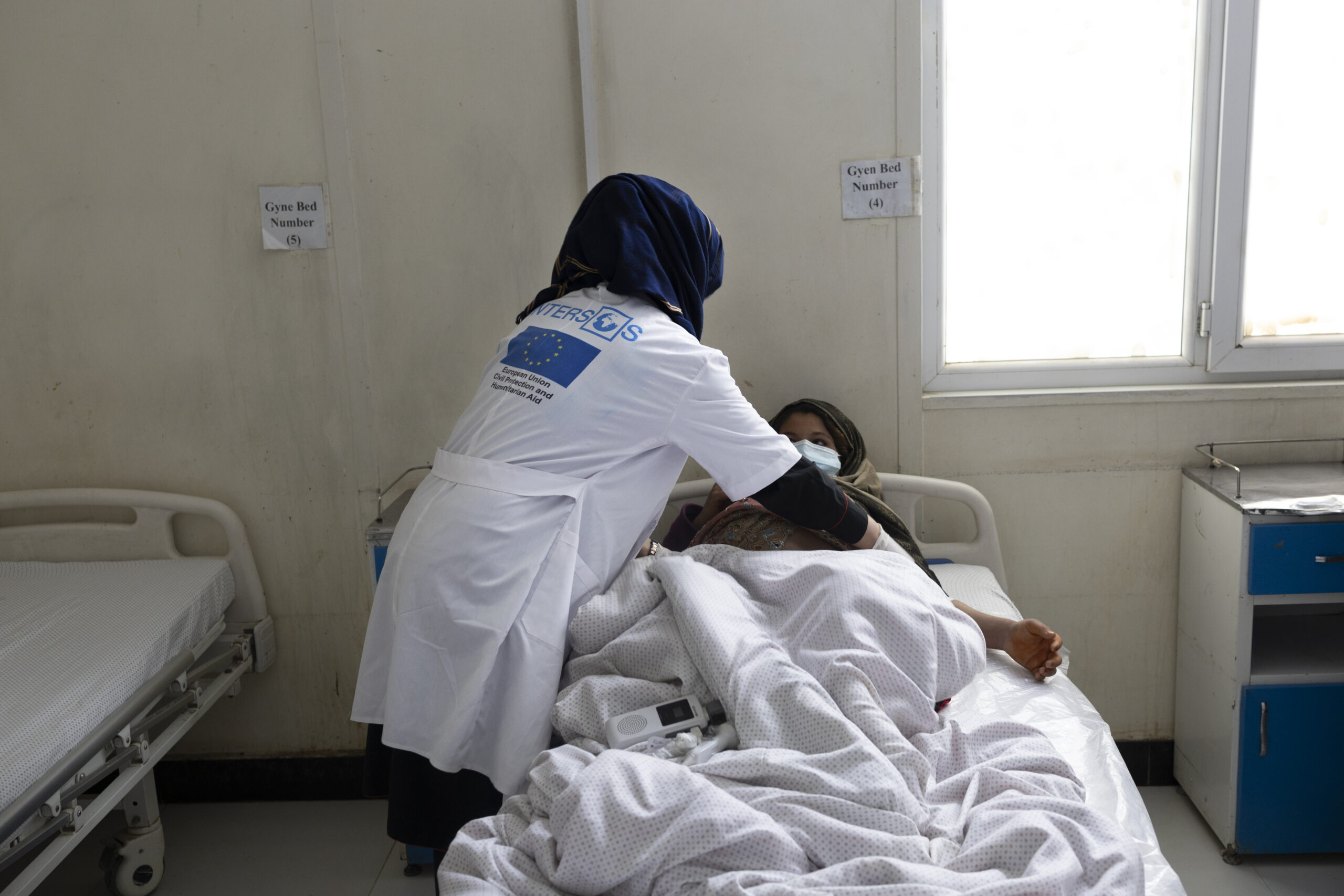
Among the most urgent health-related needs, especially in remote areas, are the need for primary care, immunisation, care for women before during and after childbirth, maternal and child health awareness, and psychological support. This is compounded by the lack of medicines and health equipment and that of health personnel due to lack of funds and restrictions imposed by the authorities. Our activities in health facilities focus mainly on malnutrition, maternal and child health, immunisation, and mental health, and are especially aimed at women and children living in the most vulnerable communities. Today Afghanistan is the only country in the world, along with Pakistan, where there are still cases of polio, especially in children, and this is a worrying factor considering that the disease is predictable with a vaccine.
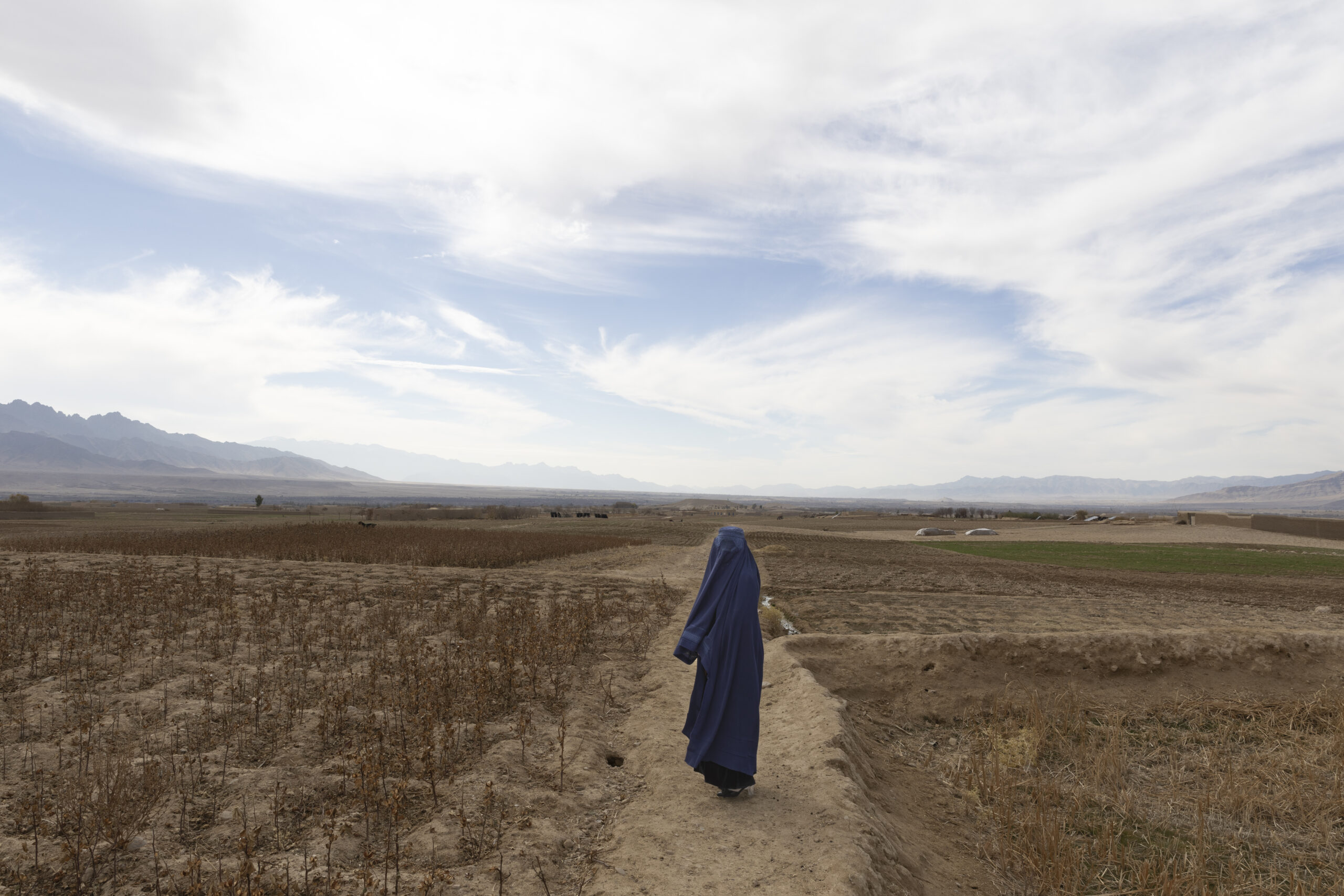
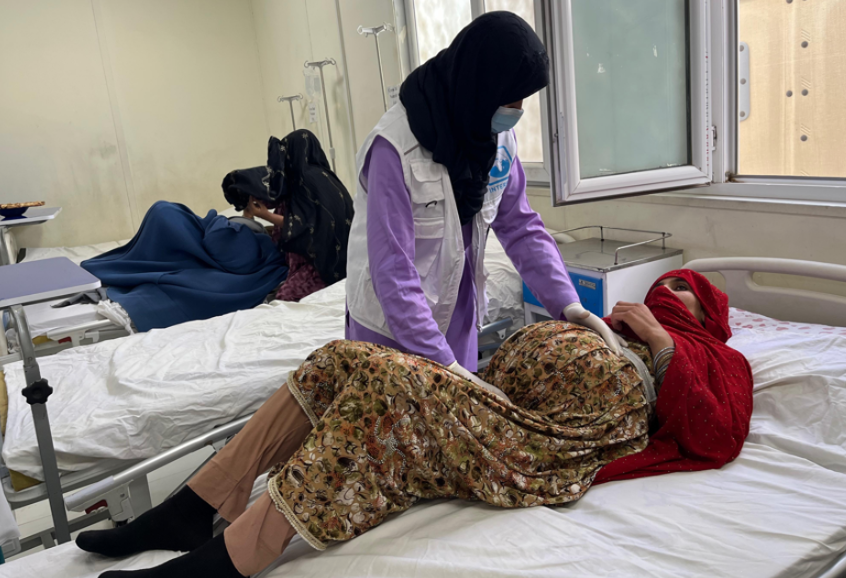
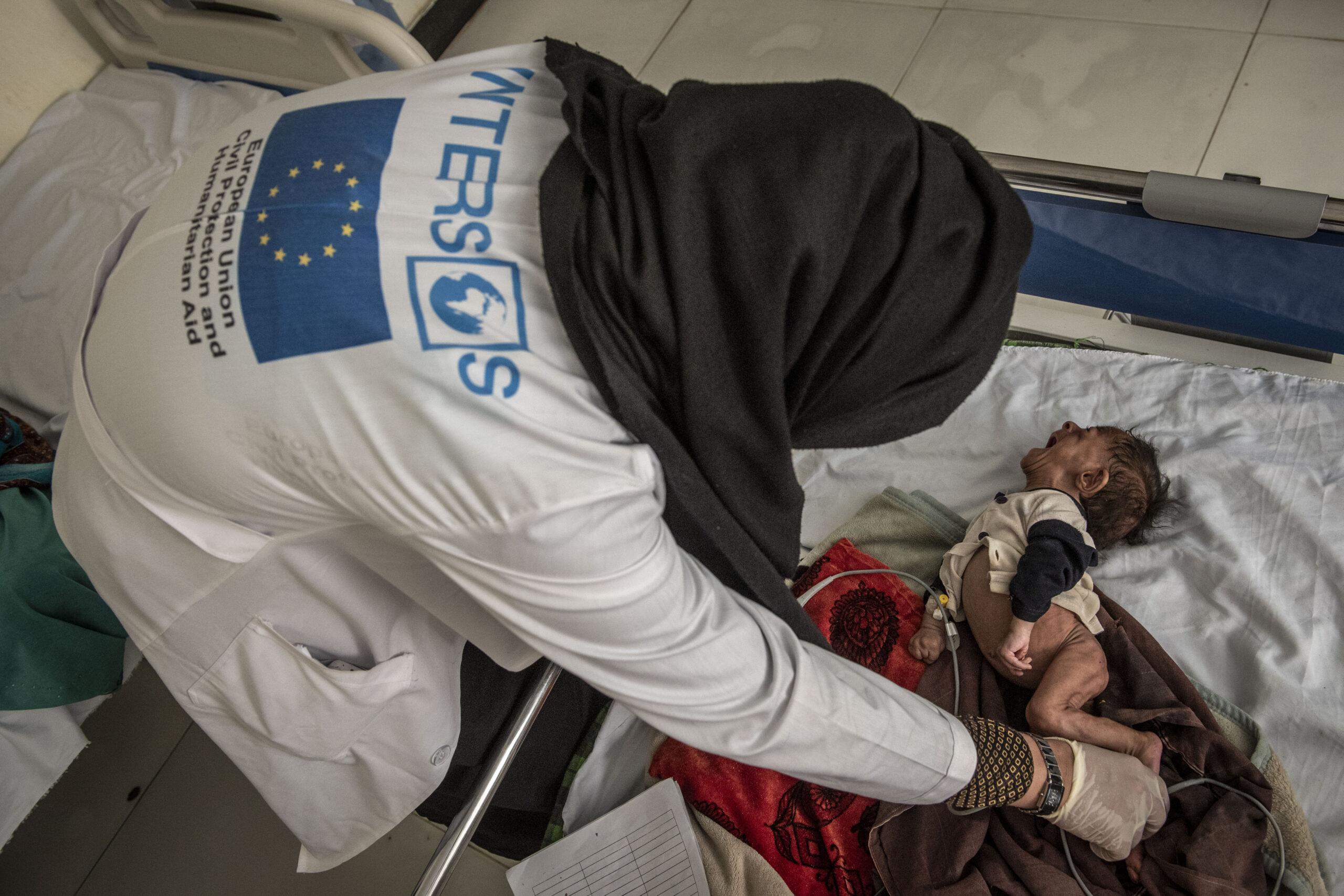
The local INTERSOS staff in Afghanistan consists of nearly 300 women. Their presence is crucial, especially in the health care sector, to be able to ensure that Afghan women and girls receive the medical care and treatment they need.
Protection: we work together with communities
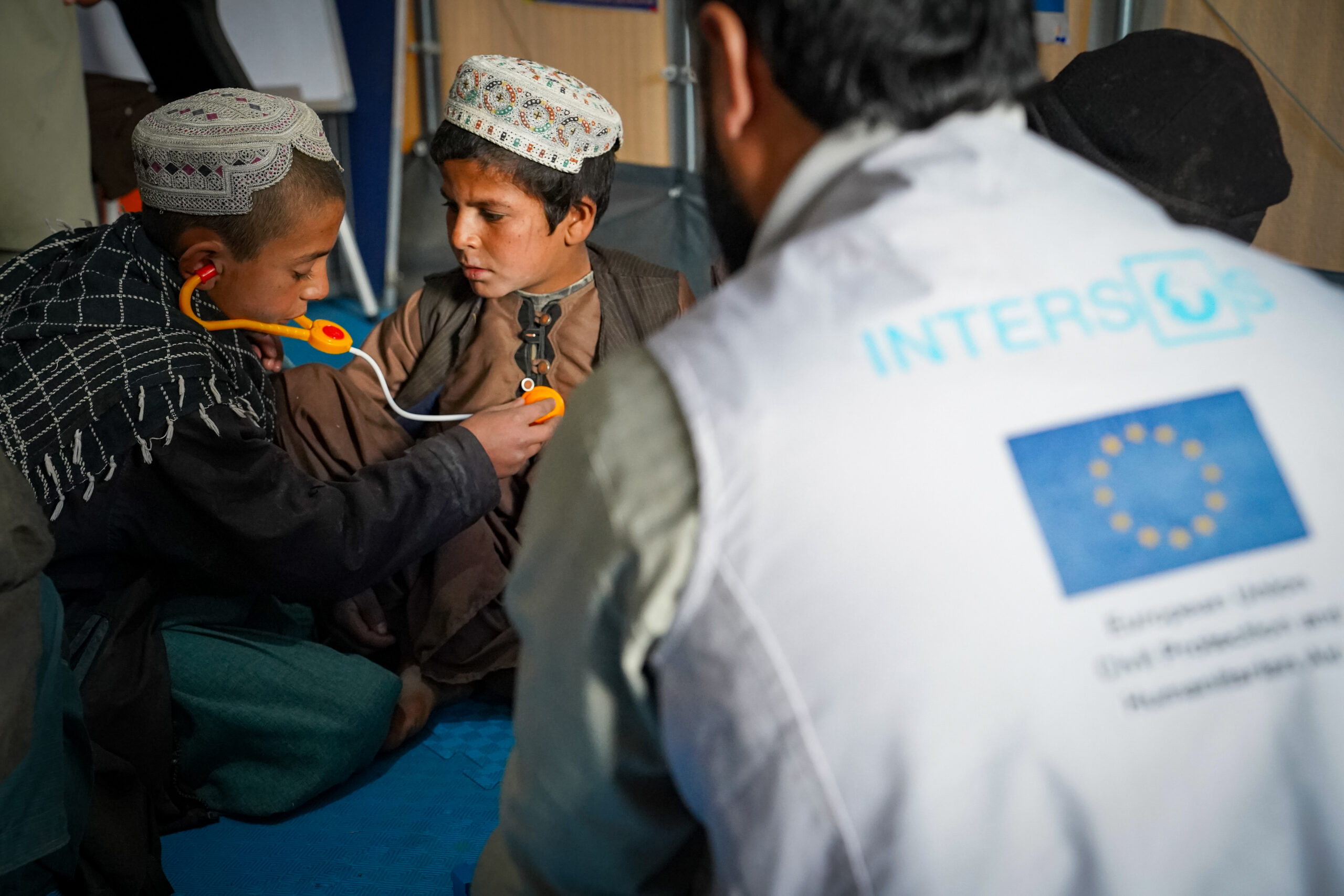
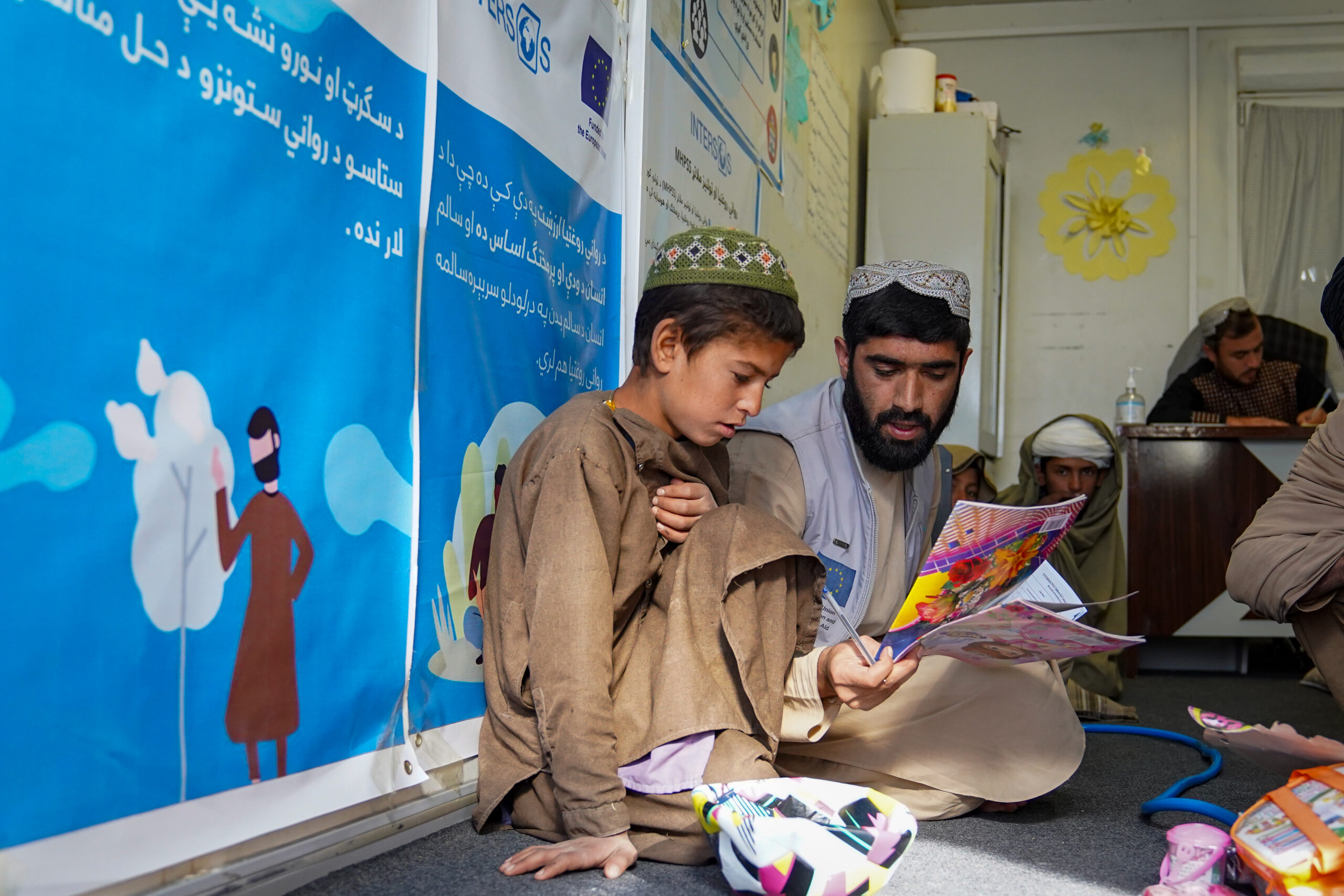
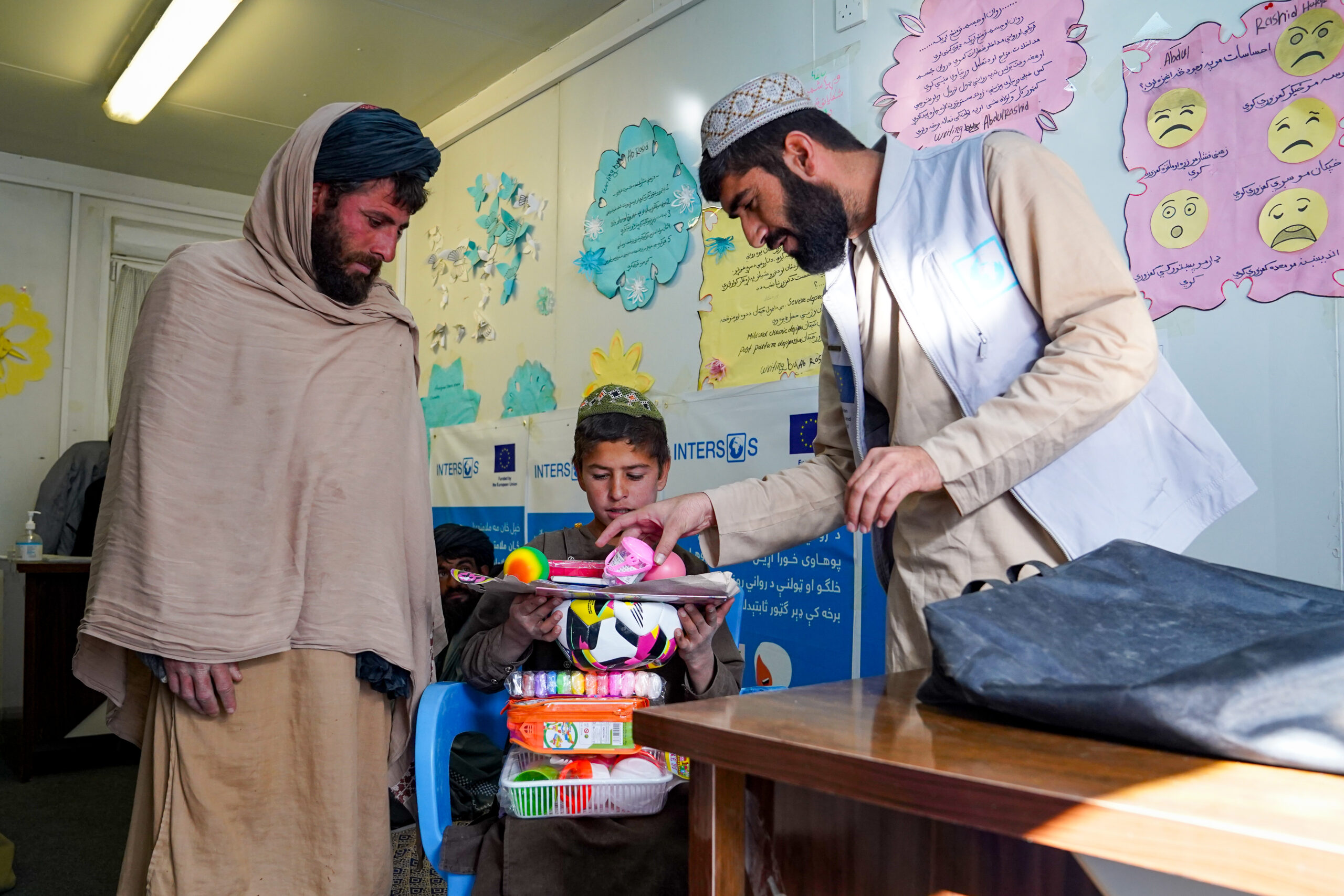
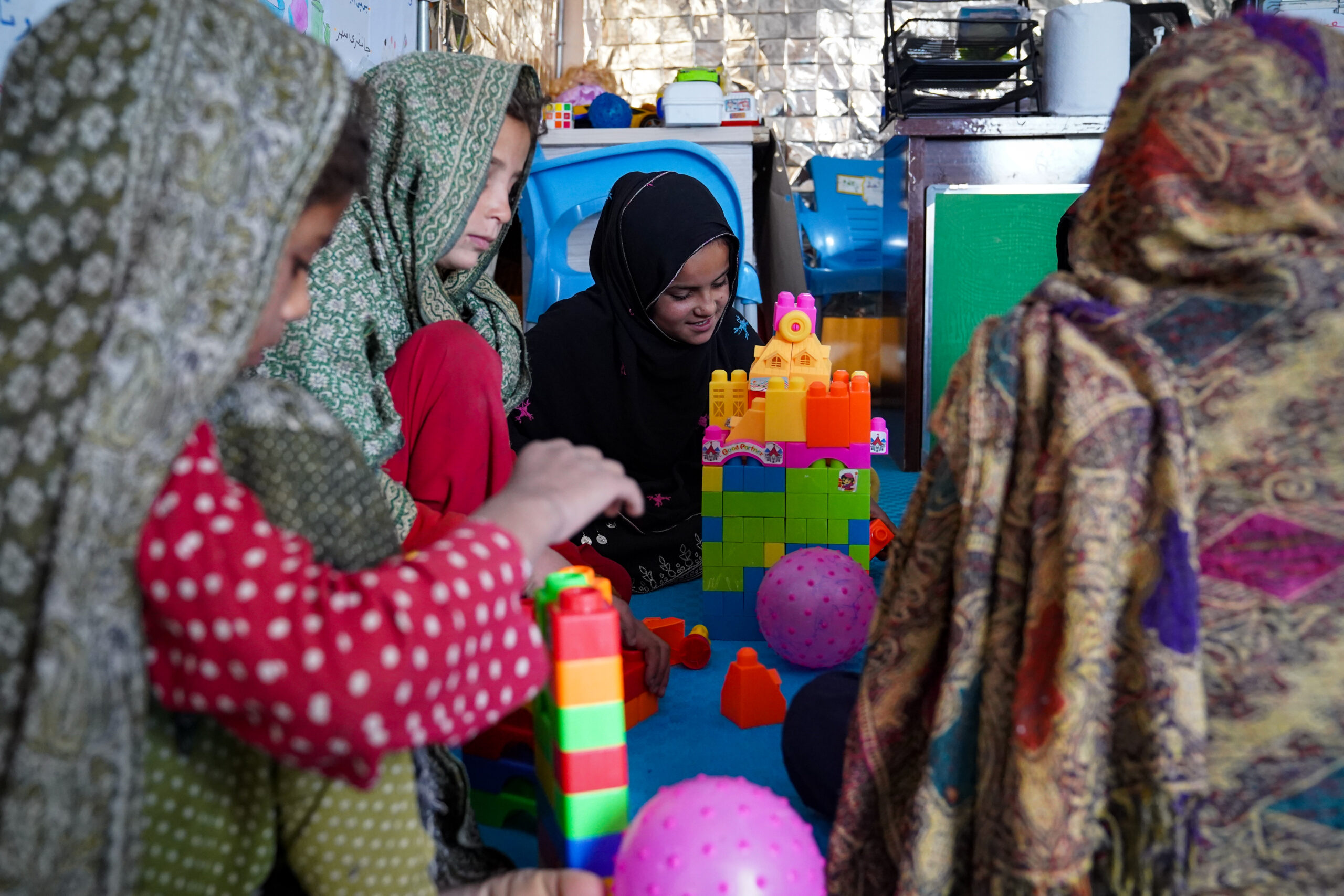
INTERSOS in Afghanistan provides humanitarian protection services through a community-based approach and on integration between different sectors, such as health and nutrition. Activities especially vulnerable groups such as children, women, people with disabilities, and the elderly and include individual case management, mental health and psychosocial support, support for women survivors of gender-based violence, and providing safe spaces for children. We also offer other forms of support, such as cash assistance and distribution of non-food items, such as winter kits, kits with educational materials, and kits with hygiene products.
Just as in the area of health, we ensure the presence of female staff who are essential to effectively reach women and girls.
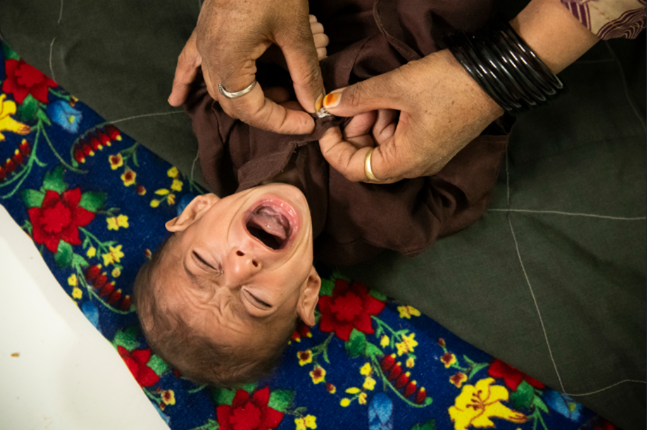
Malnutrition: one of the world’s most serious emergencies
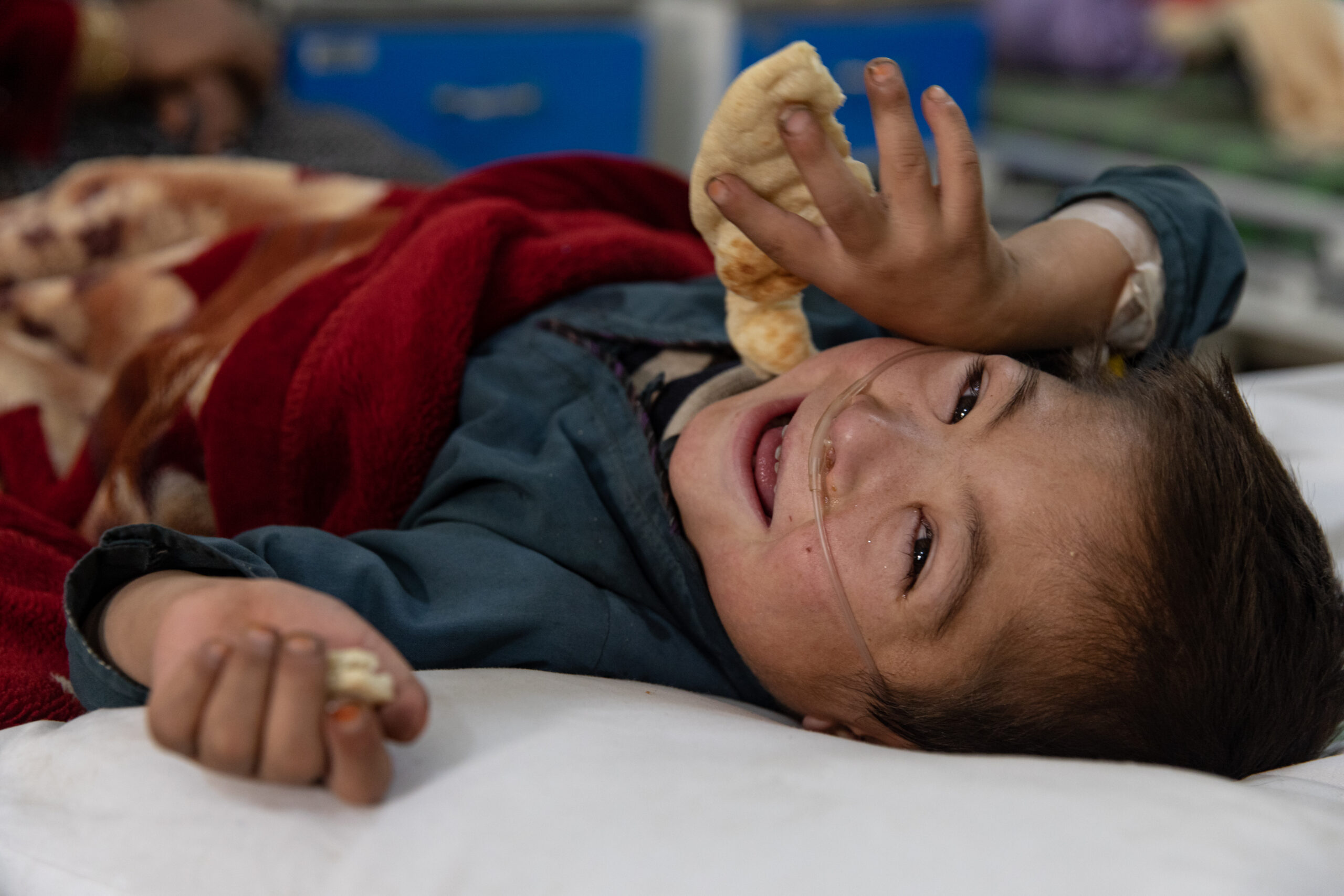
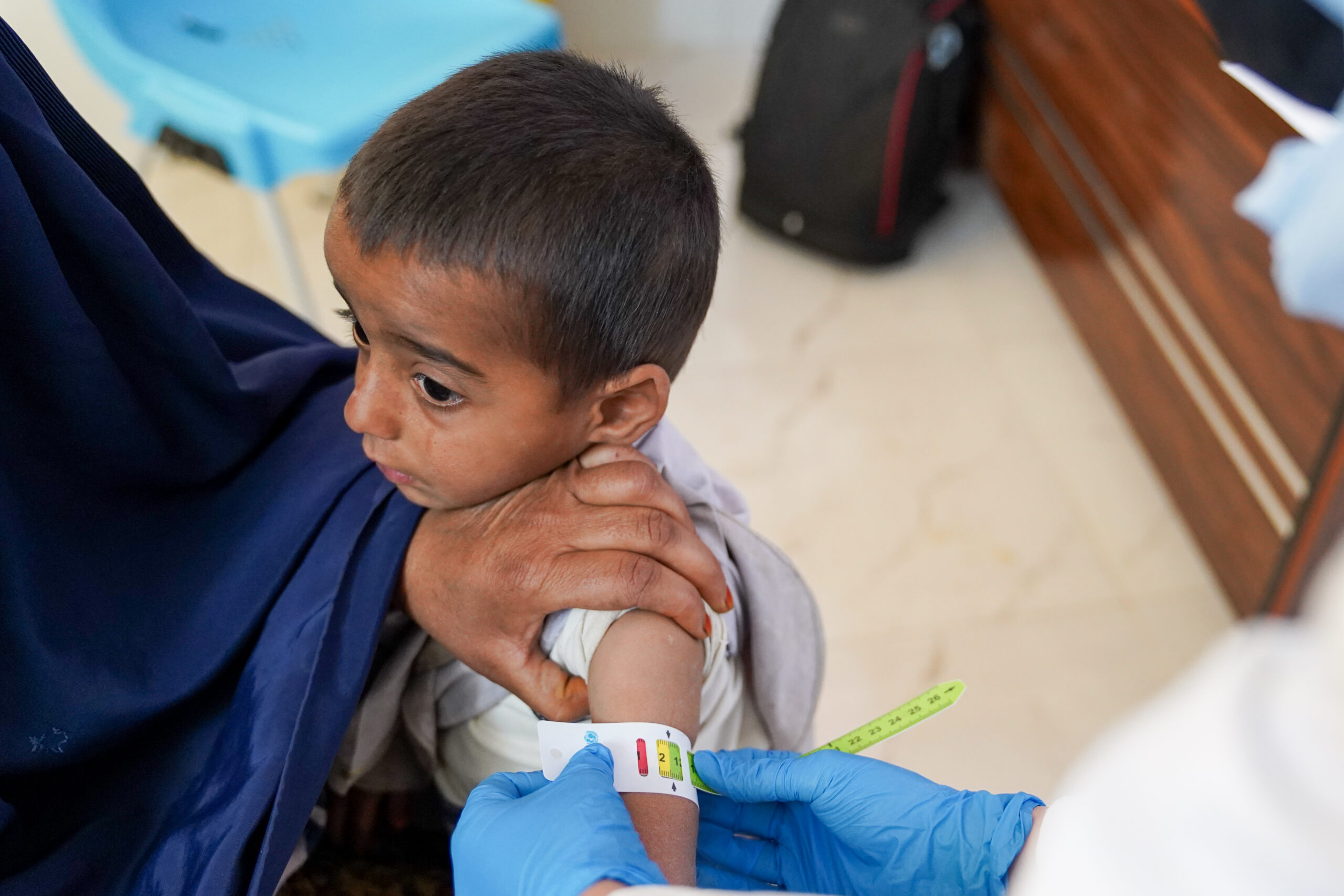
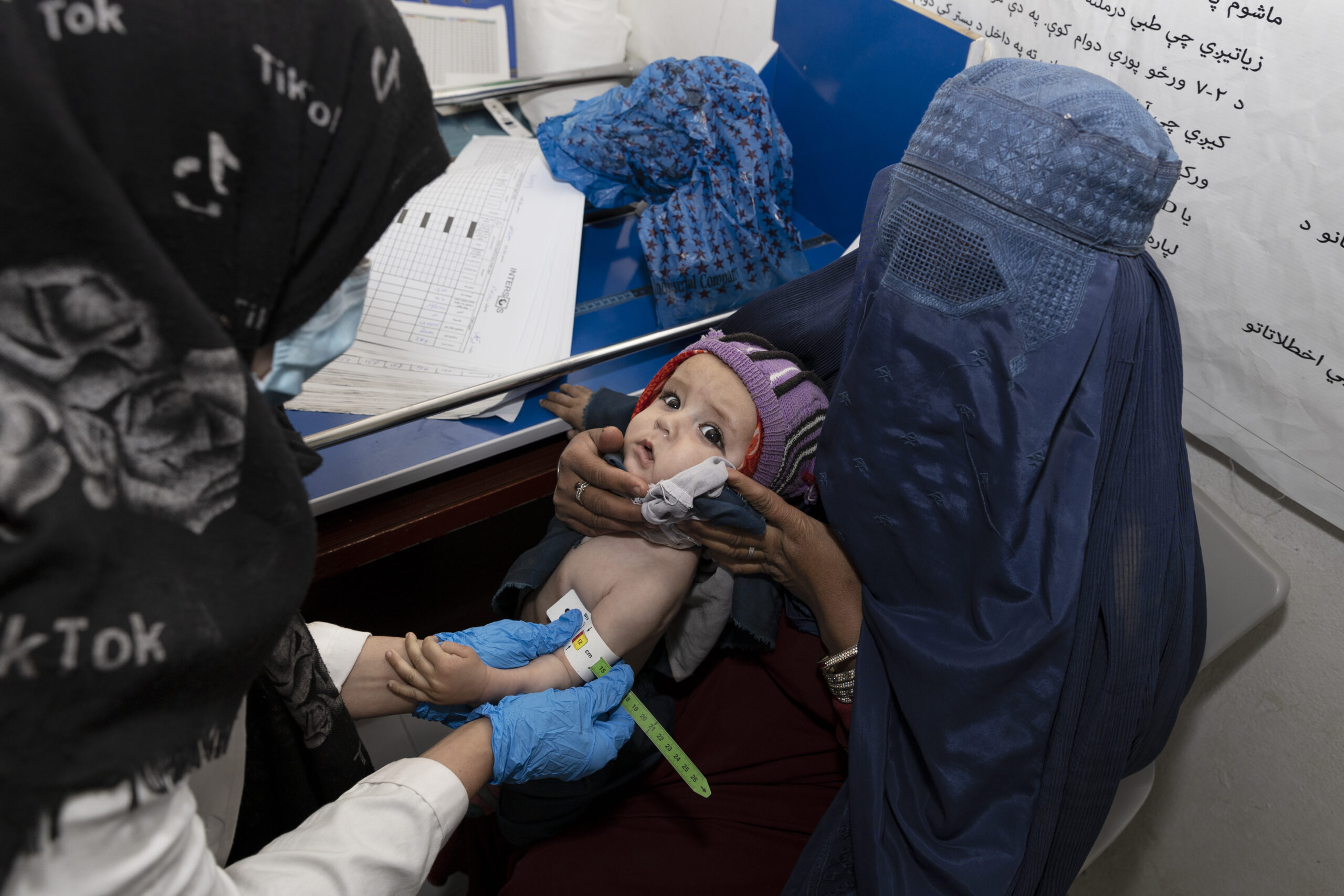
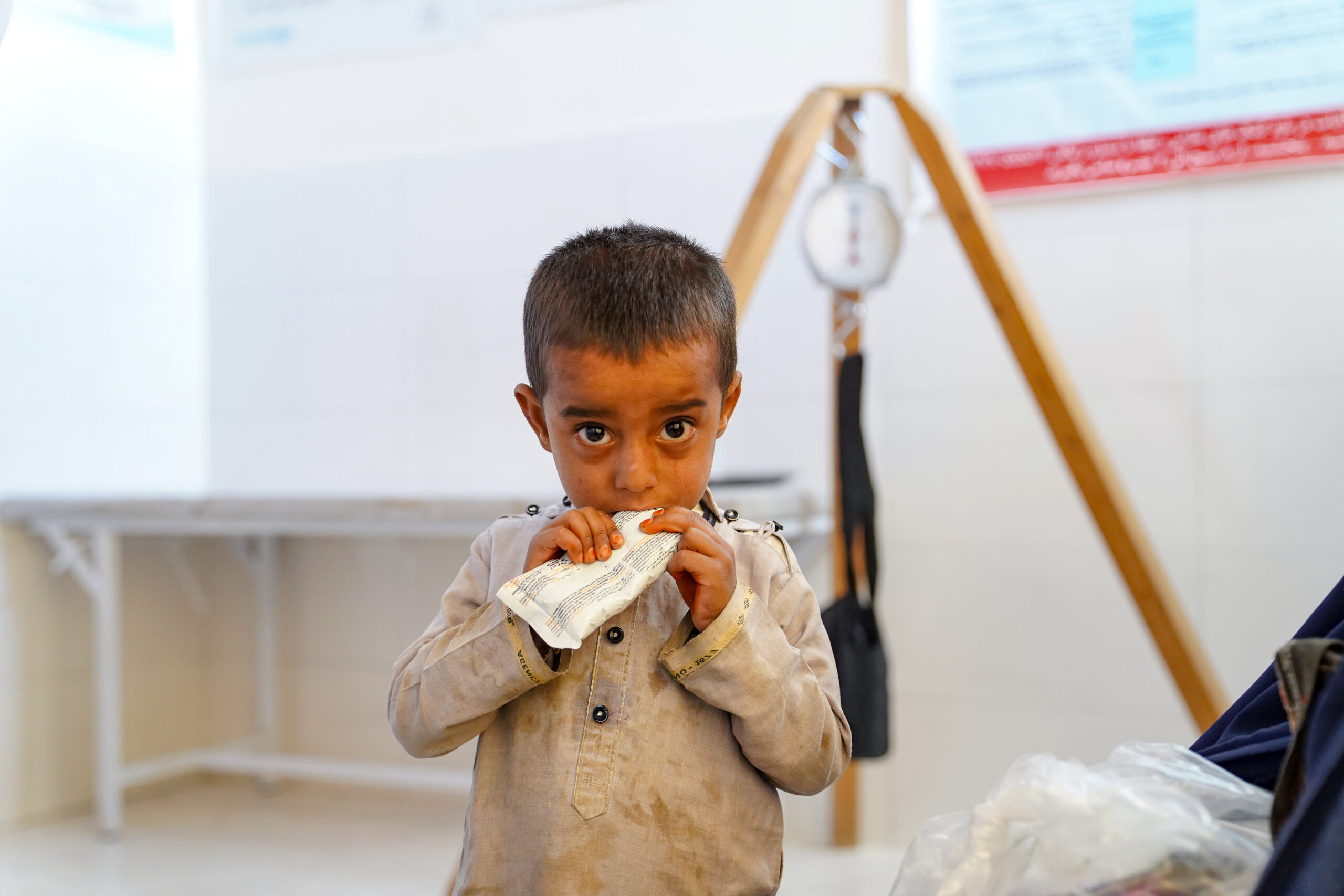
Afghanistan is currently facing one of the most severe malnutrition emergencies in the world. As of April 2025, 28 of the country’s 34 provinces are classified as severe or critical in terms of nutritional severity, with 7.8 million people in need of nutritional support, including 857,000 children with severe acute malnutrition, more than 2.5 million children with moderate acute malnutrition, and 1.1 million pregnant and lactating women in need of treatment. Despite projections of a slight improvement in food security, humanitarian organisations on the ground continue to report an increase in malnutrition cases, exacerbated by service closures and reduced funding. The situation is further exacerbated by four consecutive years of drought, economic decline and the return of hundreds of thousands of Afghans from Iran and Pakistan, further burdening already stretched services.
In our situated health facilities, children and women often arrive in difficult conditions. In July 2025 alone, we conducted 10,728 nutrition screenings of children under the age of 5 in all our health facilities and communities-585 of them were considered to be taken for Moderate Acute Malnutrition (MAM) and 298 for Severe Acute Malnutrition (SAM). This means that nearly 8.2% of the individuals screened needed nutritional support for acute malnutrition.
Repatriations from Pakistan and Iran
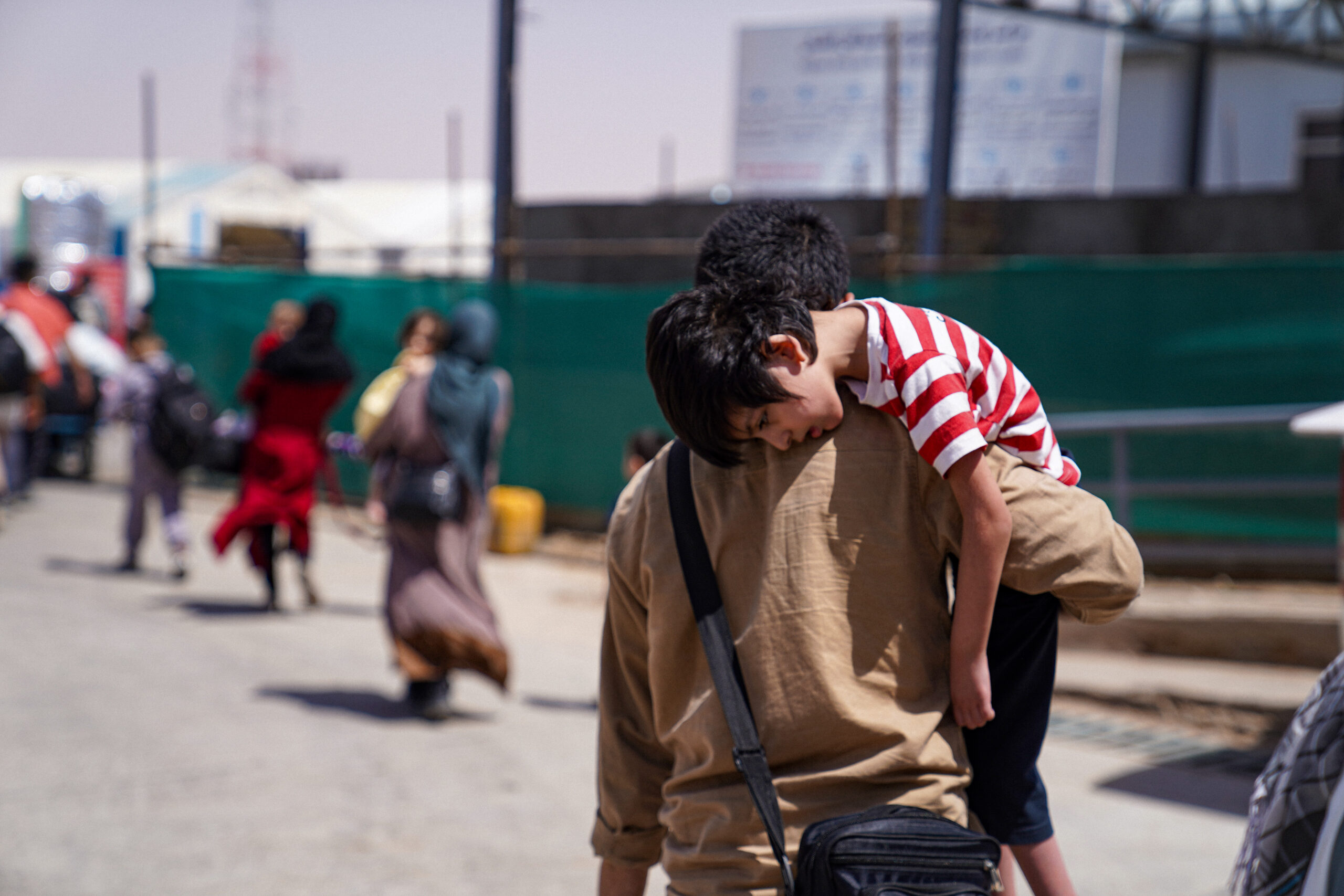
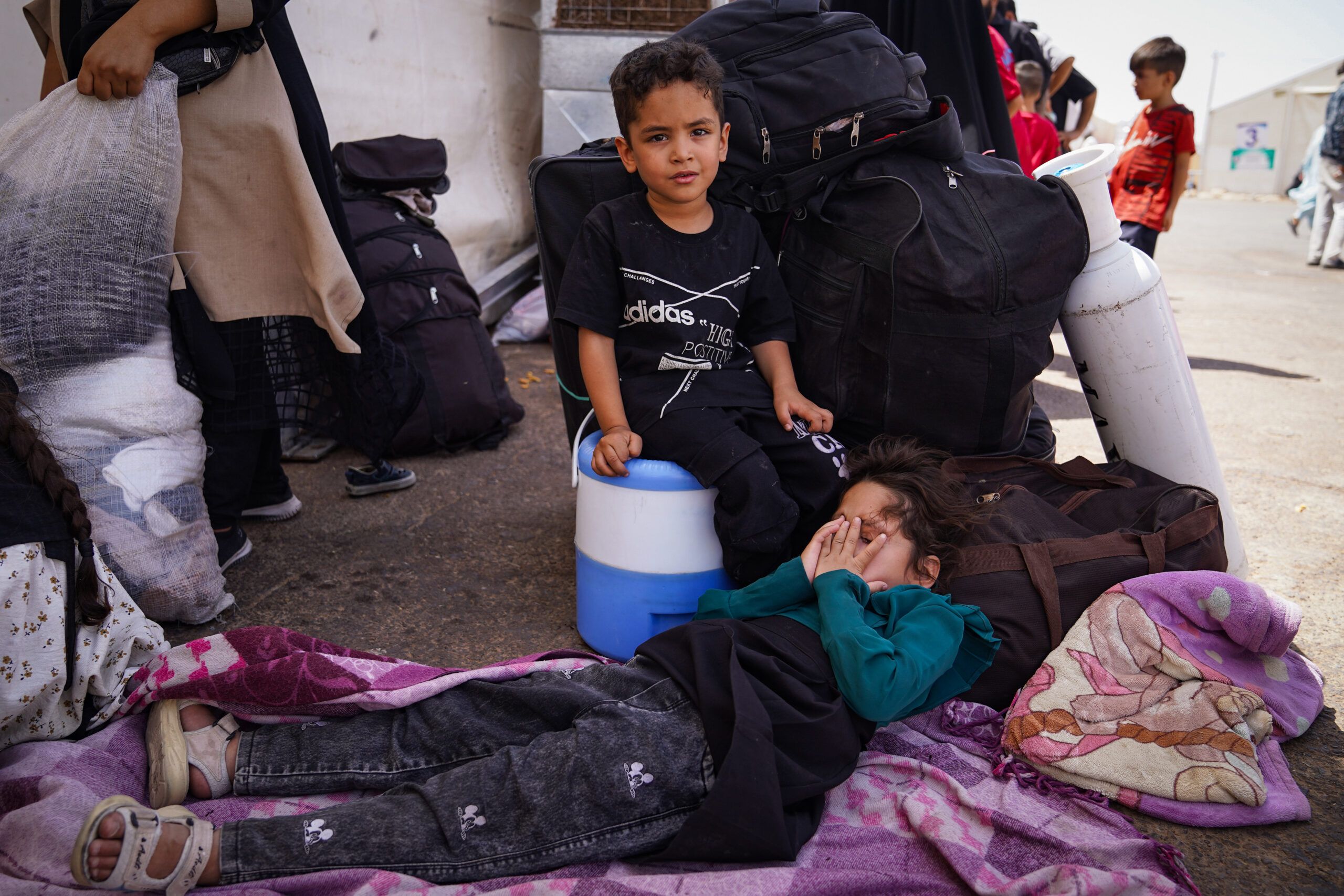
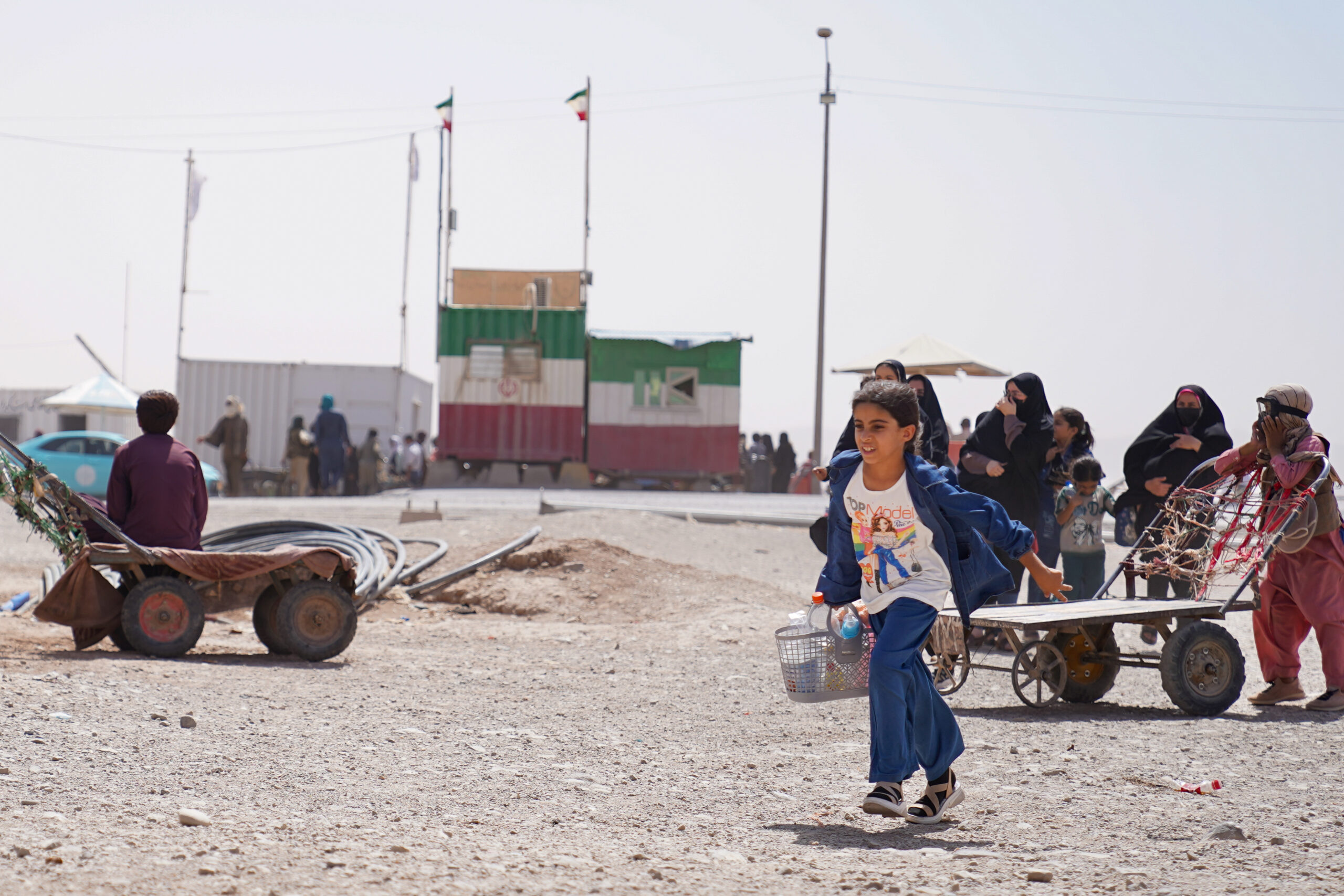
The forced return from Iran and Pakistan of hundreds of thousands of Afghan refugees to their home country is putting a strain on Afghanistan, which lacks the capacity and resources to take them in.
From January 2025 to the present, an estimated 1,777,312 Afghans have returned from Iran and 736,491 from Pakistan.
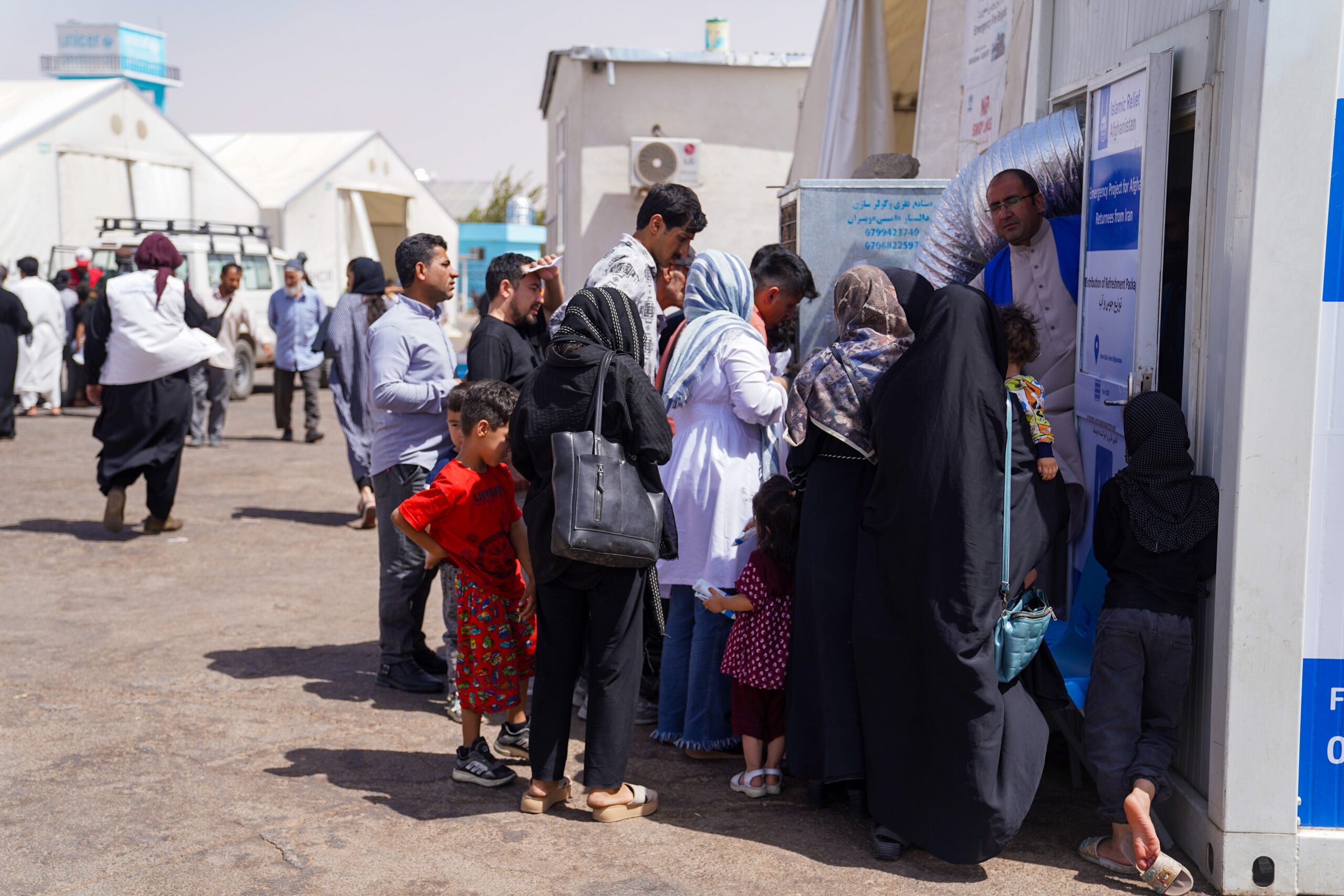
INTERSOS works in informal settlements where returnees from Iran arrive after passing through transit centers in the Herat and Nimroz areas. Here we provide health support with activities related to nutrition, maternal and child health, mental health and humanitarian protection.
Regarding returnees from Pakistan arriving from the Spin Boldak border, INTERSOS provides health and nutrition services at the Kandahar Transit Camp where. Here, among various medical activities, we provide 24-hour health consultations, primary health screenings, health education sessions, nutritional assessments, hospital stabilisation for urgent conditions, and referrals of complex cases requiring specialised or prolonged care.
Just as in the area of health, we ensure the presence of female staff who are essential to effectively reach women and girls.