



In Wadi-Fira province in eastern Chad, tens of thousands of Sudanese refugees are now trying to rebuild their lives in extremely precarious conditions, depending on essential humanitarian aid to survive.
Abandoned homes, separated families, communities forced to flee under bombing: the war in Sudan continues to drive hundreds of thousands of people to seek refuge in neighboring countries. Since the escalation of the conflict in Darfur, the displacements have increased more and more. As of March 2, 2026, more than 916,000 people have found refuge in Chad, bringing the total number of displaced people in the country to more than 2.1 million, the majority of whom are women and children. This growing humanitarian pressure puts a strain on reception capacities and essential services in border areas.
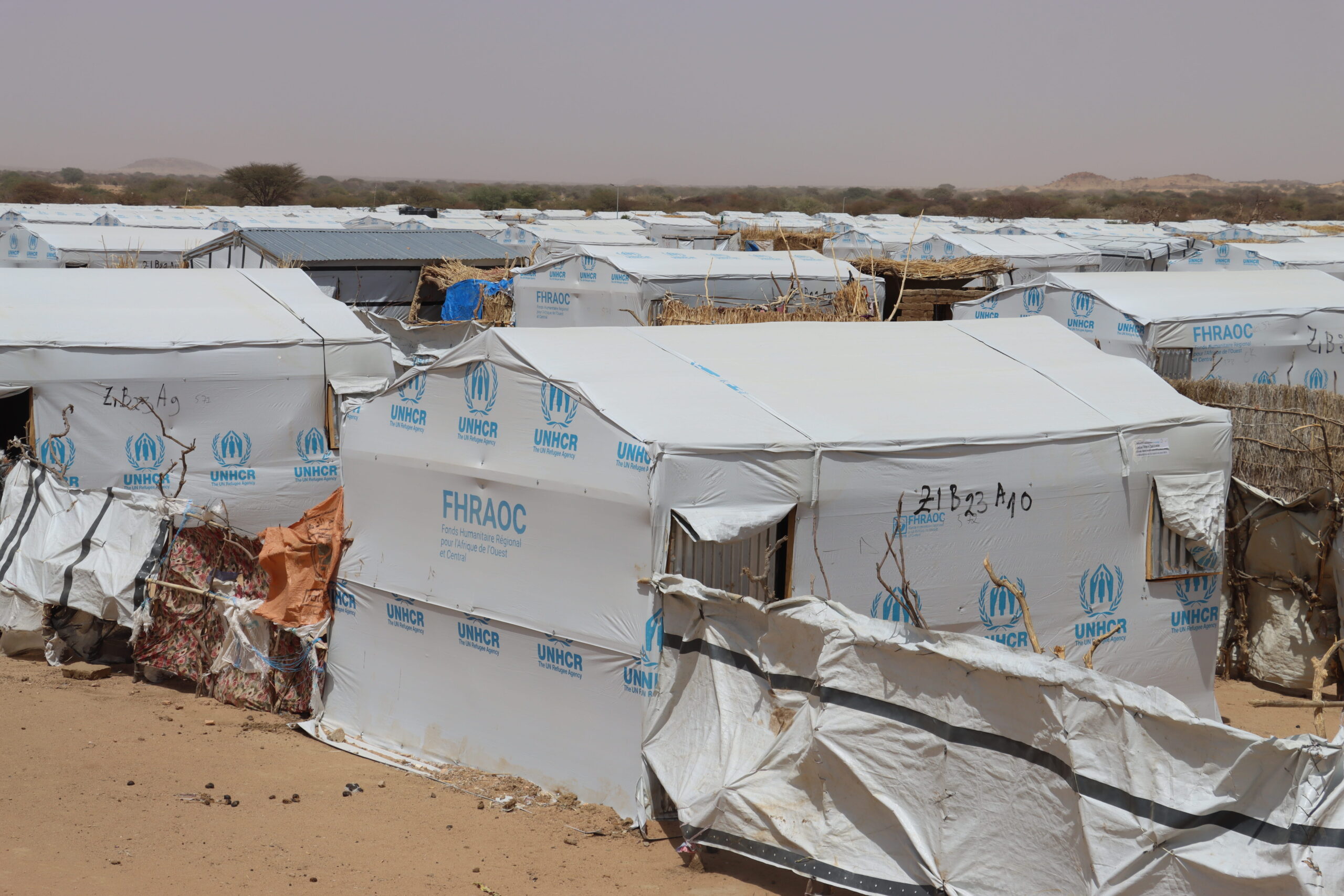
Goudrane camp., an extension of the Iridimi camp in the department of Kobé, now hosts 50,000 Sudanese refugees who fled the violence as of April 2025. Located in an arid area, the camp is characterized by extreme living conditions, with a limited access to shelters and health facilities. Prolonged exposure to sun, rain and wind, along with overcrowding and lack of sanitation, greatly increase the risk of diseases, including cholera.
Poor living conditions upon arrival in the camp
Upon their arrival in Goudrane, most families had no shelter.
“We slept in the open, exposed to the sun, rain and any danger,” tells Hawa Arbem, a mother of three. “There was not enough to eat.”
The situation is similar for many refugees who have urgently fled the country, leaving behind homes, land and livelihoods.
“We abandoned everything to escape. We could no longer stay because of the fighting.”, explains Oumda Abdallah Hassaballah, 75, a former farmer in El-Fasher.
The absence of latrines made living conditions even harsher, exposing families not only to health risks but also to a loss of privacy and dignity.
Our response: emergency shelters and decent sanitary conditions
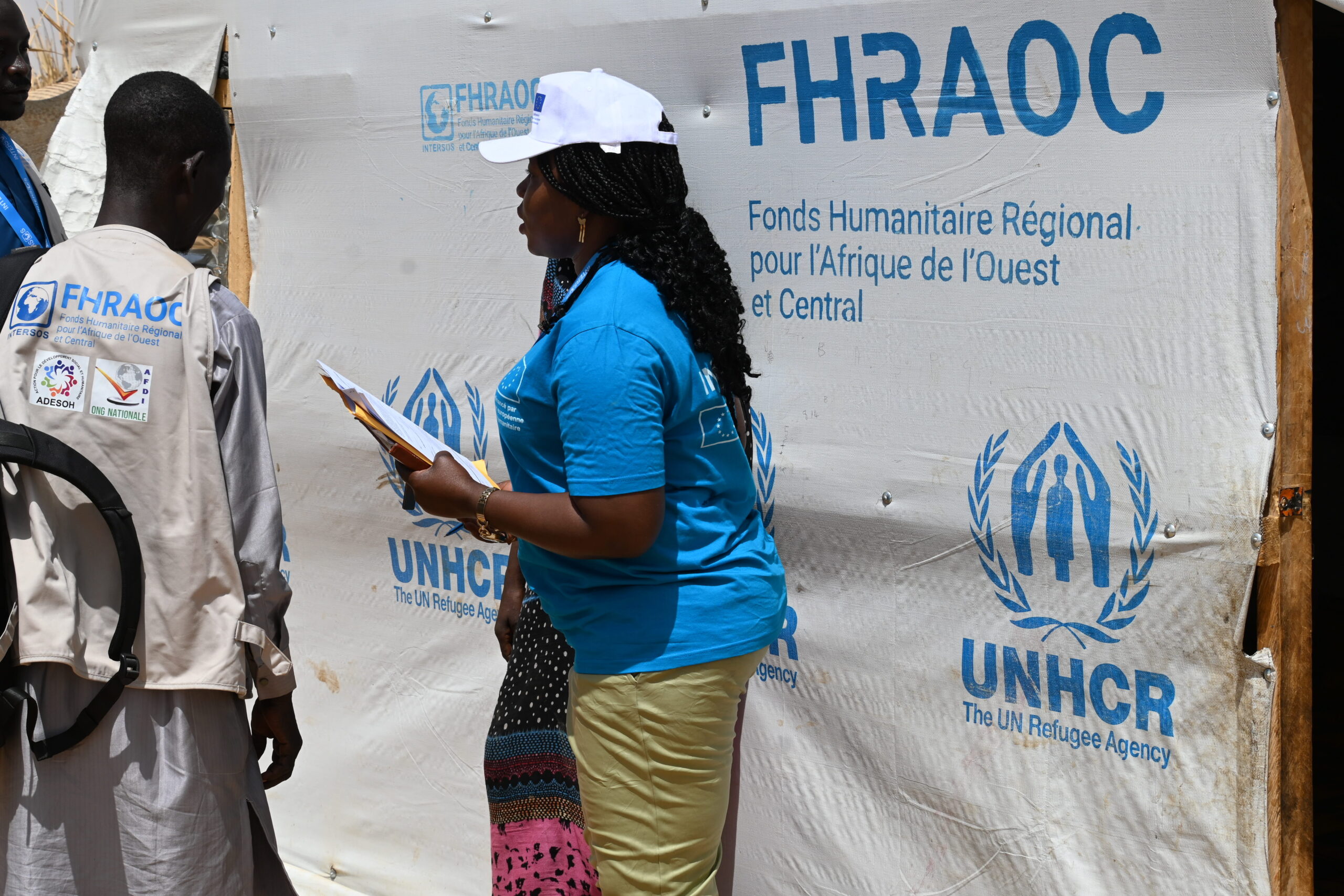
Faced with this critical situation, INTERSOS, in collaboration with national NGOs ADESOH and AFDI and with support from the Regional Humanitarian Fund for West and Central Africa (FHRAOC), is implementing a multi-sectoral response focused on housing, access to water and sanitation services.
In and around the Goudrane camp, this intervention made it possible to:
- Building 1,400 emergency family shelters;
- Install 280 latrines and showers;
- Raise awareness of good hygiene practices among thousands of people.
Kits were also distributed to improve both the quality of shelters and hygienic conditions in the camp, including construction tools and materials for cleaning and hygiene.
Persistent needs and a call to strengthen assistance
Although progress has been made, the needs are still significant. Hamid Zakaria Mahamat Muniss, representative of refugees in the Goudrane and Iridimi camps, emphasizes the magnitude of the challenges: “Upon our arrival we were about 75 convoys. Today we count more than 15,000 households, or nearly 50,000 people in Goudrane camp alone.”
While acknowledging the efforts of the Chadian authorities, CNARR, UNHCR and humanitarian organizations, however, he recalls that the needs still exceed the response capacity and insists on what still needs to be covered: the management of new arrivals, the creation of more durable structures and the need for long-term support for the creation of income-generating activities for refugees.
In the Goudrane camp, each shelter built represents much more than a tangible structure. It constitutes a space of protection, a place of stability and a starting point for rebuilding a life. With the support of its partners, INTERSOS continues its efforts alongside Sudanese refugees in eastern Chad, providing concrete responses to immediate needs and helping to give hope to affected communities.