


In Nigeria, more than 2 million children have never received a vaccine, and the country is among the ten in the world that have not yet eliminated maternal and neonatal tetanus. INTERSOS, in the health facilities where it operates, ensures maternal and newborn vaccination and carries out awareness campaigns in communities.
World Immunization Week 2026 – “For every generation, vaccines work.”
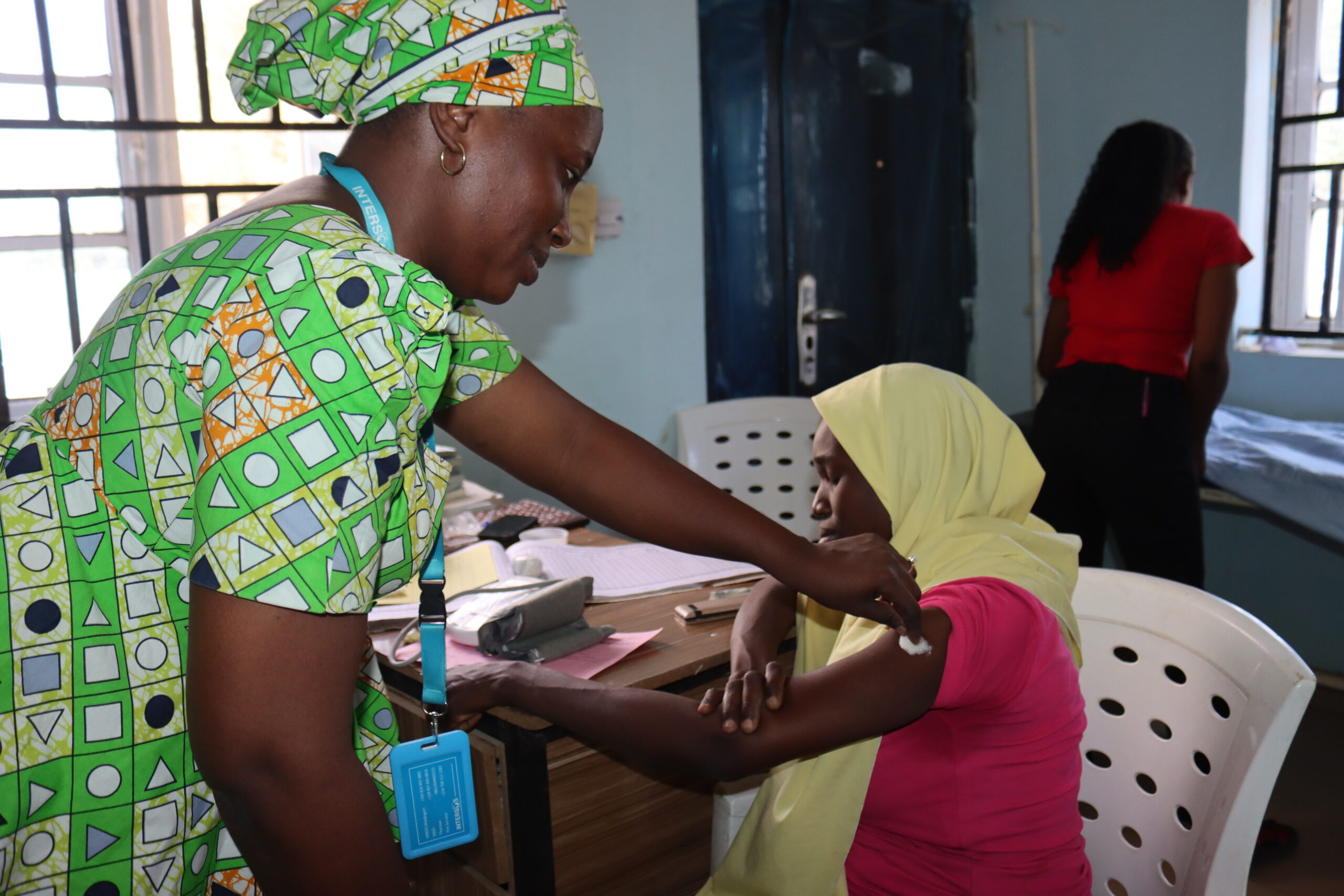
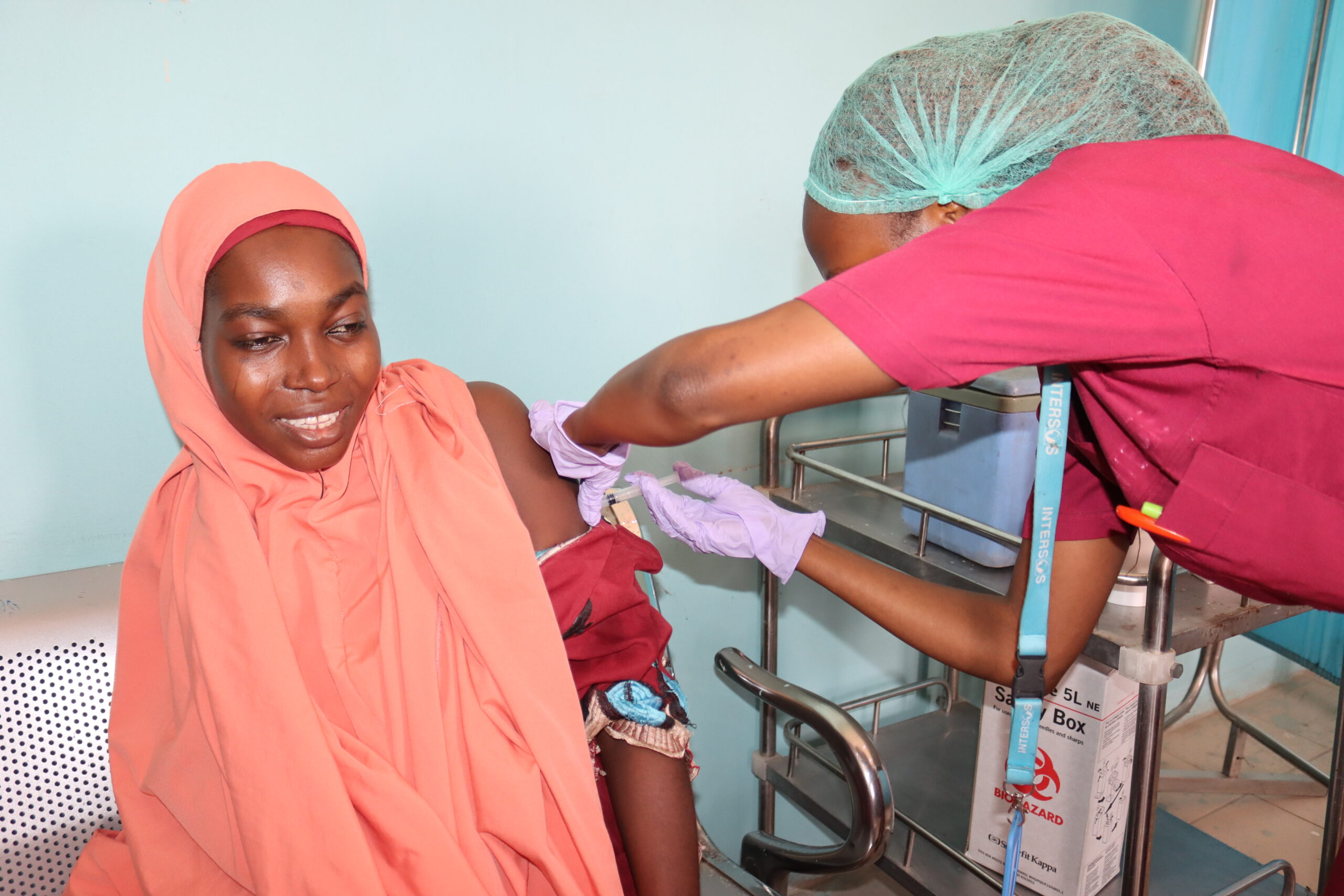
Falmata sits quietly as a midwife prepares her vaccine. Until recently, fear kept her away. Today, awareness has replaced uncertainty.
“I feel calm knowing that my baby is safe,” she says.
We are at the INTERSOS-supported maternal and child health facility in Magumeri, Borno State, Nigeria. In a region shaped by years of conflict, this simple gesture carries with it a profound meaning: it is protection, resilience, and and the quiet rebuilding of trust in a fragile health system.
Northeast Nigeria has experienced more than a decade of protracted conflict, which has weakened health systems and forced millions to flee. For pregnant women and infants, the consequences are dramatic. Preventable diseases such as tetanus, pertussis, influenza and hepatitis B continue to threaten lives, especially where access to treatment is limited.
Across Nigeria, the gap in immunization coverage remains one of the widest in the world. More than 2.2 million children have never received a single vaccine, accounting for about 16 percent of the global “zero dose” child burden. Only 35.6% of children aged 12-23 months are fully vaccinated, with the lowest coverage concentrated in northern regions affected by insecurity, poverty and weak infrastructure. In addition, Nigeria is still among the 10 countries in the world that have not achieved maternal and neonatal tetanus elimination.
In addition to difficulties in accessing care, misinformation and social beliefs continue to fuel resistance to vaccines. In many rural communities, false myths, often spread through informal networks, discourage adherence to vaccination campaigns, leaving mothers and children exposed to preventable risks. In fact, maternal vaccination offers one of the most effective and immediate solutions: to protect both mothers and children from the earliest stages of life, even before birth.
INTERSOS supports health facilities rooted in communities, bringing essential services closer to those who need them most and ensuring that pregnant women can receive care safely and continuously.
Maternal vaccination is fully integrated into routine prenatal care. Every woman attending a consultation is screened and offered life-saving vaccines, including tetanus and diphtheria vaccines, ensuring protection is part of standard care.
Community health volunteers play a key role in bridging the final gap. Through household visits and awareness sessions, they address fears, counter misinformation and encourage timely clinic attendance. Working alongside religious and traditional leaders, we ensure that messages are reliable, culturally sensitive, and locally relevant.
Finally, INTERSOS works to reinforce the health system itself, by strengthening cold chain infrastructure, training frontline health workers, and equipping facilities with the necessary tools to deliver safe and reliable services.
The results are measurable and meaningful. Across supported areas, vaccination coverage has increased to 40-50%, accompanied by increased awareness and reduced dropout rates among pregnant women. Health facilities report a decrease in cases of maternal and neonatal tetanus, a leading cause of preventable death.
Equally important is the change in behaviors. More women are showing up for prenatal visits, making informed decisions about their health and choosing to protect themselves and their children.
For Gwoigwoi, a 25-year-old mother in Bama, that decision came after a loss.
“I lost my second child because we did not have access to vaccination,” she says.
Displaced and cut off from health care, she had never received routine vaccines. During her current pregnancy, she accessed the services of an INTERSOS-supported facility for the first time, receiving prenatal care and her first tetanus vaccination.
Now her determination is unwavering: “I will keep coming to the clinic to keep me and the baby I’m carrying safe.”
Her story is not only personal; it reflects a broader transformation taking place in communities once beyond the reach of care. “Every vaccinated mother is a step toward a healthier community,” says Dr. Ayuba, INTERSOS health worker.
Despite progress, the path forward remains fragile. Closing Nigeria’s vaccination gap requires strengthening procurement systems, expanding the health workforce and engaging communities more deeply to counter misinformation and build lasting trust.
In this World Immunization Week, the message is both global and deeply local: vaccines work for every generation. In Borno State, this truth is measured in every mother who overcomes fear and every child who is born protected. Because here, a single vaccine does more than prevent a disease, it secures the future.